
No Quick Fix for Rising Farm Input Costs
Farmers across the globe are grappling with persistently high input costs, with experts warning that there is no immediate relief in sight. A combination of geopolitical tensions, volatile energy markets, and structural supply constraints continues to push up the prices of key agricultural inputs such as fertilizers, fuel, and labour.
Recent developments, including the ongoing Middle East conflict, have significantly disrupted global supply chains. Fertilizer prices have surged sharply due to restricted exports and shipping bottlenecks, with some regions witnessing increases of over 40% . At the same time, diesel prices have spiked due to energy supply disruptions, further increasing the cost of farm operations.
Analysts note that these cost pressures are not temporary. Fertilizer markets, in particular, remain highly sensitive to global trade policies, natural gas prices, and geopolitical risks. Even without extreme shocks, prices are expected to stay elevated into 2026 due to structural issues such as concentrated production in a few countries and rising energy costs .



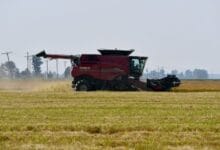
Farm-level data reflects the strain. Operating costs for major crops are projected to rise further this year, while commodity prices remain relatively weak, squeezing profit margins . Surveys also show that a majority of farmers consider input costs their biggest financial challenge, with many operating at or below break-even levels.
Also Read: Aries HD NPK Fertilizer
With limited short-term solutions, farmers are adjusting strategies—reducing input usage, shifting crop choices, or delaying investments. However, experts caution that without coordinated policy support and supply chain stabilization, high input costs will continue to weigh on farm incomes and could eventually translate into higher food prices for consumers.
Also Read: 8 Japanese Mind-Detox Techniques